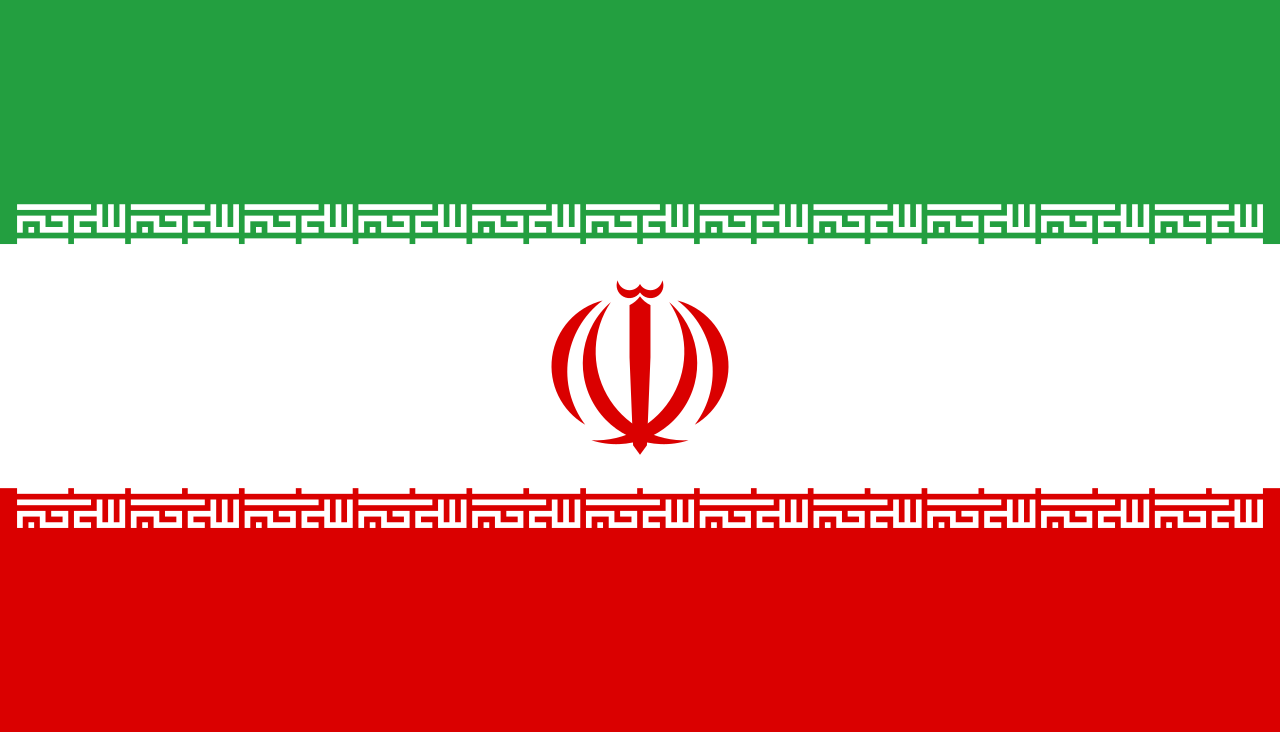
The Middle East is a region perpetually on the brink, but recent events have plunged it into an unprecedented and deeply uncertain era. The dramatic escalation of hostilities, marked by massive joint U.S.-Israeli strikes against Iran and the stunning death of Ayatollah Ali Khamenei, has irrevocably redrawn the geopolitical map. The immediate aftermath sees Iran reeling, the region grappling with widespread instability, and the world watching closely as a crucial succession race unfolds within Tehran. This pivotal moment underscores the fragility of peace and the complex interplay of power that defines the modern Middle East, highlighting the severe consequences of the ongoing iran krieg israel conflict.
The Escalation: A New Era of Conflict in the Middle East
The air over the Middle East has thickened with the grim reality of "major combat operations" against Iran. On a fateful Saturday, U.S. President Donald Trump announced the launch of significant military action, quickly followed by the Israel Defense Forces (IDF) confirming "broad scale strikes" targeting the Iranian regime. These weren't surgical, limited strikes; they were comprehensive, hitting dozens of critical military and government sites across Iran, including those connected to internal security forces in Tehran.
The scale of the bombardment has been devastating. Reports from Iranian state television, quickly corroborated, indicated that the death toll in Iran has tragically surpassed 1,000 people as U.S.-Israel strikes continue to pound the nation. Such a high number of casualties in a concentrated period points to the intensity and reach of the military campaign, far exceeding previous skirmishes or targeted retaliations. The implications for Iran's infrastructure, both military and civilian, are profound and will undoubtedly shape the country's immediate future.
Iran’s response has been swift, if not entirely unexpected. Missile and drone attacks have targeted Israel, regional U.S. bases, and multiple Gulf nations, illustrating a determined, albeit reactive, stance. This tit-for-tat escalation has spread fear and instability across the region, putting nations like Saudi Arabia, the UAE, and Qatar on high alert. The ongoing conflict between Iran Under Attack: US-Israel Strikes Intensify, Khamenei Killed has pushed the Middle East into uncharted and dangerous waters.
The Vacuum at the Top: Khamenei's Demise and the Succession Scramble
Perhaps the most seismic development in this unfolding crisis is the confirmation by Iranian state television that Ayatollah Ali Khamenei, Iran's Supreme Leader for over three decades, was killed by airstrikes in Tehran. This event is nothing short of revolutionary for the Islamic Republic. Khamenei's authority was absolute, his influence shaping every facet of Iranian policy, from nuclear ambitions to regional proxy conflicts. His death creates an unprecedented power vacuum at the very heart of the Iranian political establishment.
The immediate focus has now shifted to the race for his successor. While the formal process involves the Assembly of Experts, behind-the-scenes machinations and political maneuvering are already in full swing. One name frequently mentioned as a potential contender is Mojtaba Khamenei, the Supreme Leader's son. His ascent, if it were to occur, could signify a consolidation of power within a specific faction, potentially leading to a more entrenched hardline stance or, conversely, internal dissent from other powerful clerical figures and political blocs.
The absence of a clear, universally accepted successor amidst a foreign military assault presents Iran with its greatest challenge since the 1979 revolution. This leadership crisis, combined with external pressure, could:
- Exacerbate Internal Divisions: Factions within the regime, already strained, may openly vie for power, risking civil unrest.
- Impact Regional Stability: A new leader might seek to project strength through escalated proxy conflicts or direct confrontations.
- Redefine Iran's Future: The choice of successor will determine whether Iran leans further into isolation and religious fundamentalism or, however unlikely in the current climate, attempts a shift towards more pragmatic international engagement.
The world is watching not just the immediate military actions but also the complex, opaque process of succession within Iran, understanding that the future trajectory of the Middle East hinges significantly on who assumes Khamenei's mantle.
Geopolitical Repercussions: Redrawing the Middle East Map
The intense iran krieg israel conflict isn't just a military engagement; it's a crucible for the future of the Middle East. The Al Jazeera headline "Iran war: Redrawing the map of the Middle East, Israeli style?" perfectly encapsulates the profound shifts underway. Israel, a key player in these strikes, has long viewed Iran as its most significant regional threat, and this offensive aims to fundamentally alter the balance of power.
The involvement of the United States, alongside Israel, signifies a forceful attempt to dismantle Iran's military capabilities and its network of proxies. If successful, this could severely weaken groups like Hezbollah, Hamas, and various militias in Iraq and Syria, creating new security landscapes in those areas. However, the potential for unintended consequences is immense, potentially leading to further radicalization or the emergence of new, equally destabilizing forces.
Regional allies and adversaries are also positioning themselves. Secretary of State Marco Rubio’s discussions with Saudi Arabia, Turkey, Cyprus, and Italy underscore the broad international concern and the frantic diplomatic efforts to manage the fallout. Saudi Arabia, a long-time rival of Iran, is keenly observing and potentially benefiting from the weakening of its adversary. The long-term implications for the region include:
- Shifting Alliances: Existing partnerships may strengthen, while new ones could emerge in response to a weakened Iran or a prolonged conflict.
- Economic Instability: The Strait of Hormuz, a critical oil shipping lane, remains vulnerable, posing a threat to global energy markets.
- Humanitarian Crisis: Beyond the immediate casualties, prolonged conflict could trigger massive displacement and a severe humanitarian catastrophe.
In a tangible sign of this instability, the U.S. State Department has already initiated charter flights for American citizens stranded in the Middle East, with additional flights departing from the UAE, Qatar, Saudi Arabia, and Israel. This evacuation effort highlights the widespread recognition that the region is no longer safe for non-essential travel and that the conflict's reach is broad.
US Diplomacy Under Strain: Readiness Gaps and Congressional Divide
Amidst this international maelstrom, America's diplomatic machinery is facing intense scrutiny. The American Foreign Service Association (AFSA), representing U.S. diplomats, released a damning statement highlighting "real gaps in America's diplomatic readiness." Their concerns are stark: the critical absence of Senate-confirmed ambassadors at several postings in the region and widespread understaffing at embassies are proving "impossible to ignore" at a moment of escalating regional instability.
The AFSA's warning is potent: "America cannot safeguard its national interests if it cannot safeguard the diplomats who advance them." They argue that without experienced leadership and sufficient resources, U.S. foreign policy objectives are compromised, and the safety of personnel is jeopardized. This deficit in diplomatic capacity is a significant vulnerability, particularly when dealing with complex, rapidly evolving crises like the Iran War Powers: Senate Vote Exposes US Diplomatic Readiness Gaps.
Domestically, the U.S. political landscape also reflected deep divisions regarding the conflict. The Senate recently rejected a Democratic-led Iran war powers resolution that sought to require congressional approval for military action against Iran. The procedural vote, intended to remove U.S. armed forces from hostilities not authorized by Congress, failed by a narrow margin of 47 to 53. Notably, Senator Rand Paul was the sole Republican to vote in favor, while Senator John Fetterman was the only Democrat against it. This outcome underscores a continued willingness by the executive branch to act decisively in military matters, often with limited congressional oversight, further complicating the strategic approach to the Middle East.
Conclusion
The Middle East stands at a perilous crossroads. The intense iran krieg israel conflict, the unprecedented demise of Ayatollah Ali Khamenei, and the ensuing succession race have ushered in an era of profound uncertainty. The regional power dynamics are being fundamentally reshaped, with implications that will ripple across the globe. While the immediate focus remains on military actions and humanitarian concerns, the long-term impacts on Iran's internal politics, regional alliances, and global stability will be felt for decades. The coming months will be critical in determining whether the region descends into further chaos or if a new, albeit fragile, equilibrium can eventually emerge from the ashes of this redrawn landscape. The world waits, holding its breath, as the Middle East grapples with a future irrevocably altered.