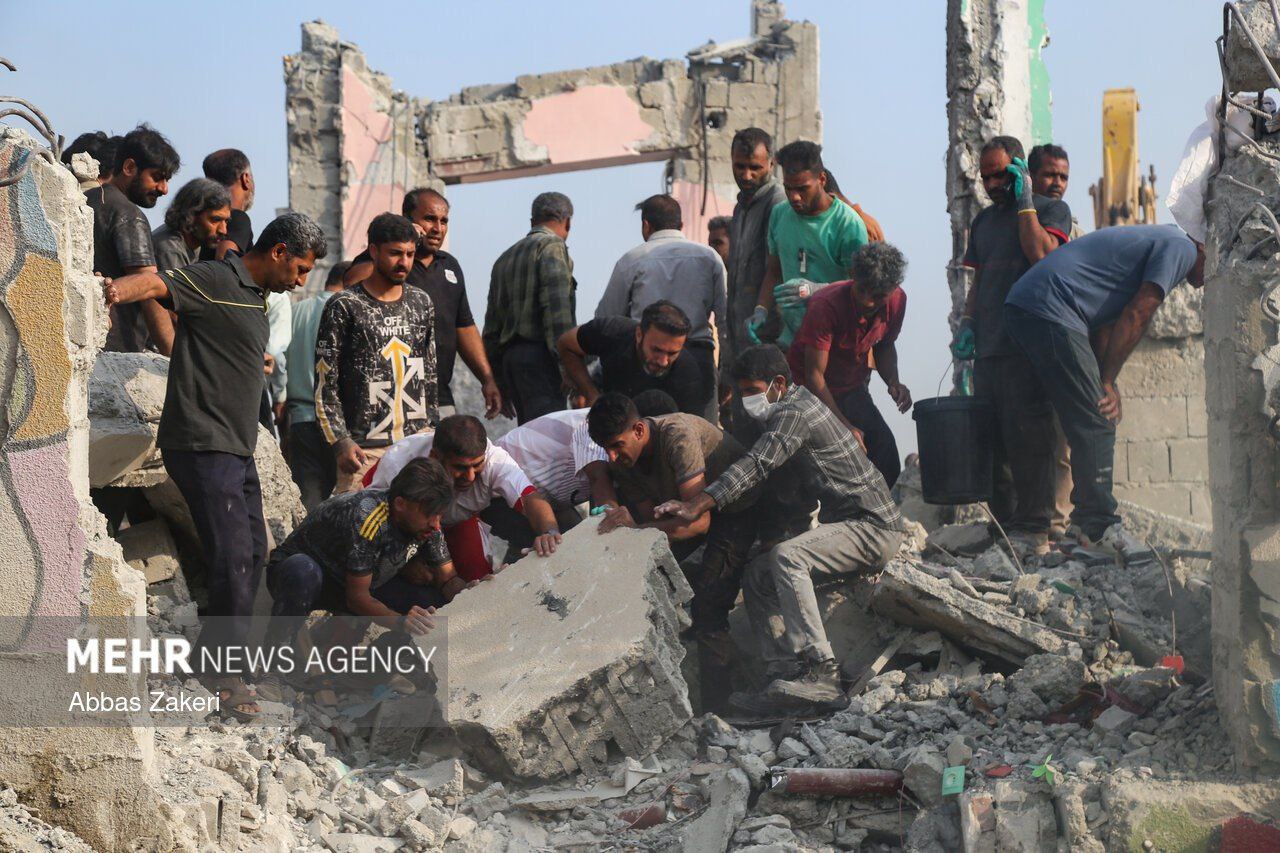
Iran Under Attack: US-Israel Strikes Intensify, Khamenei Killed – A Region on the Brink
The Middle East is grappling with an unprecedented escalation of hostilities as a joint U.S.-Israel military operation has unleashed a devastating wave of airstrikes across Iran. The offensive, described by President Donald Trump as "major combat operations," has not only targeted critical military and government sites but has also delivered a seismic shockwave: the confirmed death of Iran's Supreme Leader, Ayatollah Ali Khamenei. This dramatic turn of events has plunged the region into deeper uncertainty, marking a pivotal moment in the ongoing iran krieg israel conflict.
Reports from the Israel Defense Forces (IDF) indicate "broad scale strikes targeting" the Iranian regime in Tehran, with specific focus on "dozens" of sites connected to internal security forces. These coordinated attacks, launched on Saturday, signal a significant shift in strategy, aiming to dismantle the core infrastructure of the Iranian state. The immediate fallout includes a rapidly climbing death toll, which has tragically surpassed 1,000 people, underscoring the severe human cost of this intensifying confrontation.
Tehran Under Siege: The Scale of US-Israel Operations
The joint U.S.-Israel military campaign represents a massive display of force, targeting the very heart of the Iranian regime. Initial reports confirm that the strikes were not isolated incidents but part of a sustained, large-scale offensive aimed at disrupting Iran's capacity for internal control and external projection of power. Military and government sites across Tehran have borne the brunt of these assaults, signifying a deliberate intent to cripple the Islamic Republic's command and control capabilities.
- Strategic Targets: IDF airstrikes specifically hit "dozens" of locations tied to Iran's internal security forces, suggesting an effort to weaken the regime's grip on its population and its ability to respond to internal dissent.
- Government Infrastructure: Beyond security forces, critical government facilities have been targeted, aiming to disrupt leadership and administrative functions. This points to a broader objective of destabilizing the regime's operational capacity.
- Massive Casualties: The escalating death toll, now over 1,000, highlights the intensity and destructive power of these strikes. While specific details on civilian versus military casualties are still emerging, the sheer number underscores the devastating impact on the ground.
This unprecedented level of aggression marks a significant escalation in the decades-long shadow war between the involved parties, now brought into the open with full force. The precision and coordination of the U.S.-Israel strikes indicate extensive intelligence gathering and planning, transforming the iran krieg israel dynamic into a full-blown conventional conflict. For a comprehensive look at how these events are reshaping the regional landscape, including potential redrawings of the Middle Eastern map, please see our related article: Middle East Redrawn: Impact of Iran War & Khamenei's Successor Race.
The End of an Era: Khamenei's Demise and the Looming Succession Battle
Perhaps the most monumental development in this rapidly unfolding crisis is the confirmation by Iranian state television that Ayatollah Ali Khamenei was among those killed by the airstrikes in Tehran on Saturday. Khamenei, who served as Iran's Supreme Leader for over three decades, was the ultimate authority in the Islamic Republic, guiding its domestic and foreign policy, its nuclear ambitions, and its vast network of regional proxies. His death creates an immense power vacuum and ushers in an era of profound uncertainty for Iran and the wider Middle East.
The question of succession is now paramount. Khamenei’s successor is yet to be named, but the process is highly complex, typically involving the Assembly of Experts – a body of 88 clerics. Historically, this process has been opaque and carefully managed to ensure continuity with the revolutionary ideals. However, in the current climate of war and internal turmoil, the selection process could be fraught with intense factionalism and infighting. Mojtaba Khamenei, the late leader's son, has often been mentioned as a potential contender, but his path to leadership is far from assured, especially given the traditional aversion to hereditary succession within the Islamic Republic's structure.
Key implications of Khamenei's death include:
- Internal Power Struggles: Different factions within Iran's political and military establishment, particularly the Islamic Revolutionary Guard Corps (IRGC) and various clerical groups, will undoubtedly vie for influence, potentially leading to instability.
- Policy Uncertainty: A new leader might either double down on hardline policies in response to external aggression or, less likely but not impossible, seek a different path. The direction chosen will profoundly impact Iran's stance on its nuclear program, its relationship with the West, and its regional proxy forces.
- Impact on Revolutionary Ideology: The Supreme Leader is not just a political figure but also a spiritual guide. His successor will inherit the immense challenge of maintaining the ideological coherence of the Islamic Revolution amidst unprecedented external pressure and internal unrest.
The demise of such a central figure, especially under these dramatic circumstances, fundamentally alters the geopolitical calculus and injects an unpredictable element into the ongoing iran krieg israel saga. The world watches anxiously to see who will emerge to lead a nation under siege, and what direction they will take.
Regional Reverberations and Iran's Counter-Offensive
As expected, Iran has not remained passive in the face of these devastating strikes. The Islamic Republic is reportedly responding with a volley of missile and drone attacks, targeting not only Israel but also U.S. military bases across the region and multiple Gulf nations. This counter-offensive underscores the widespread and interconnected nature of the current conflict, drawing an increasing number of actors into the fray.
The targeting of regional U.S. bases signals Iran's intent to inflict costs on American forces stationed in the Middle East, while strikes on Gulf nations like Saudi Arabia, Qatar, and the UAE demonstrate a willingness to broaden the conflict beyond the immediate adversaries. These actions have inevitably heightened security alerts across the Arabian Peninsula, impacting critical oil shipping lanes and raising fears of a much wider regional conflagration. The diplomatic efforts to de-escalate have become even more critical, with U.S. Secretary of State Marco Rubio reportedly engaging with his counterparts in Saudi Arabia, Turkey, Cyprus, and Italy to manage the crisis.
Meanwhile, the U.S. State Department has swiftly moved to assist American citizens caught in the unfolding crisis. Charter flights are now departing from the Middle East, including the UAE, Qatar, Saudi Arabia, and Israel, as part of "ongoing efforts to assist Americans return home." This urgent evacuation operation highlights the tangible dangers facing expatriates and travelers in a region suddenly engulfed by open warfare. The ripple effects of this intensified iran krieg israel scenario are already palpable, from global oil markets to the everyday lives of millions.
US Foreign Policy Under Scrutiny: Diplomatic Gaps and War Powers
While the focus remains on the kinetic actions in the Middle East, the crisis has also laid bare significant challenges within U.S. foreign policy and diplomatic readiness. On Wednesday, the Senate rejected a Democratic-led Iran war powers resolution that sought to require congressional approval for military action against Iran. The procedural vote failed 47 to 53, with only one Republican, Sen. Rand Paul, voting in favor, and one Democrat, Sen. John Fetterman, voting against. This outcome means the executive branch retains significant latitude in deploying military force without explicit congressional authorization, a point of ongoing contention regarding checks and balances.
Adding to the concerns, the American Foreign Service Association (AFSA), the union and professional organization representing U.S. Foreign Service employees, issued a scathing statement on Wednesday. AFSA warned that the current crisis "exposes real gaps in America's diplomatic readiness," highlighting a critical lack of Senate-confirmed ambassadors at several key postings in the region and critically understaffed embassies. According to AFSA, these "leadership gaps" are "impossible to ignore" and directly undermine America's ability to safeguard its national interests and its diplomats overseas.
AFSA's key concerns include:
- Lack of Leadership: The absence of Senate-confirmed ambassadors at a time of escalating regional instability impedes effective diplomatic responses.
- Understaffing: Critical shortages of personnel leave embassies struggling to manage complex crises and support their mission.
- Diplomat Safety: The union emphasized that the "safety of America’s diplomats and their families must remain paramount," arguing that national interests cannot be advanced if those advancing them are not adequately supported and protected.
This internal critique underscores the challenges facing the U.S. as it navigates a highly volatile international landscape, with calls for policymakers to ensure that diplomats have the necessary leadership, expertise, and resources. The Senate's vote and AFSA's statement collectively paint a picture of a nation grappling with the domestic implications and preparedness shortfalls as it engages in a major international conflict. For a deeper dive into the implications of the Senate's vote and the broader issues of diplomatic readiness, read our linked article: Iran War Powers: Senate Vote Exposes US Diplomatic Readiness Gaps.
Conclusion
The events of the past few days have irrevocably altered the geopolitical landscape of the Middle East. The intensified U.S.-Israel strikes against Iran, culminating in the death of Supreme Leader Ayatollah Ali Khamenei, represent a watershed moment. As Iran retaliates with missile and drone attacks, the region is bracing for an extended period of instability and heightened conflict. The succession struggle within Iran, coupled with ongoing U.S. diplomatic challenges and the complexities of managing a multi-front regional war, leaves the path forward shrouded in uncertainty. The world watches with bated breath as the **iran krieg israel** conflict reshapes alliances, threatens economies, and tests the limits of international diplomacy in an already volatile part of the world.